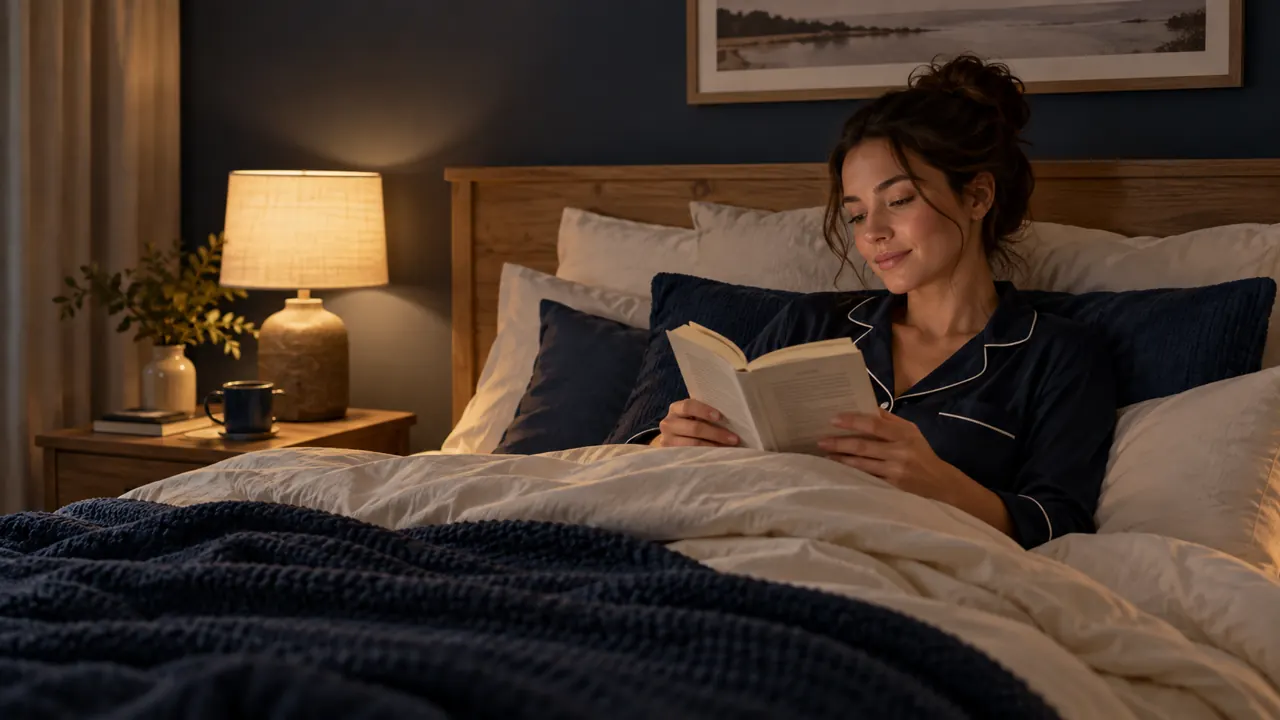
What is a pillow speaker?
A pillow speaker is a flat speaker placed under or inside a pillow so that sound is directed to the sleeper while limiting sound in the room. Product descriptions say they suit couples with different sleep habits and people who like audio at night.
Product pages describe features, not proven sleep benefits.
What research says about sleep sounds
Riedy and colleagues reviewed studies of noise used as a sleep aid, such as white noise and pink noise. They found that the quality of evidence was low and results were mixed, with some studies showing benefit and others none. Sound may mask noise in a busy place, but it does not suit everyone.
So audio is an optional comfort tool, not a proven treatment.
Possible benefits
- Masks outside noise such as traffic
- Provides a calm focus for relaxing
- Lets a partner sleep in quiet
- Can replace phone speakers in bed
Possible downsides
- Loud sound near the ear can harm hearing over time
- A device under a pillow may be uncomfortable
- Wires, batteries and heat can be a risk
- Stimulating content keeps the brain awake
- Screens used to start audio add light
How to judge a sleep audio gadget
- Check comfort when lying on your side and back.
- Set the volume low, so a normal conversation is louder.
- Use a timer so sound stops after you fall asleep.
- Choose calm, steady sounds or soft spoken content.
- Look for independent testing, not just reviews.
- Return it if it does not help in a few weeks.
Simple alternatives
A fan, a basic sound machine, earplugs or a podcast on a timer can do the same job for less. If noise is the main problem, fix the source where possible. The bedroom temperature gauge checks another key part of your room.
If you cannot sleep for weeks, a gadget will not replace help from a doctor or CBT for insomnia. This page is general education and not medical advice. If you have ongoing sleep problems, loud snoring, breathing pauses or severe daytime sleepiness, speak to a doctor.
What to listen to
Calm, steady sound such as rain, soft music or a slow paced audiobook works for many people. Avoid thrillers, news and loud ads. Use a sleep timer so the sound fades out. If you wake at night, a very low volume can help you return to sleep without turning on a screen.
Try different sounds for a week each and note how long you take to fall asleep. The sleep latency scorer can help you track it.
Protecting your hearing
Sound close to the ear for hours can add up. Keep the volume low enough that you can still hear normal speech over it. Choose open designs that do not press on the ear. Stop use and see a doctor if you notice ringing or muffled hearing.
Children and babies need extra care. Do not place any device in a baby's sleep space.
A low cost trial
- Pick one sound and a low volume.
- Use a timer of 30 to 60 minutes.
- Try it for seven nights.
- Note how long you take to fall asleep and how you feel.
- Compare with seven nights without sound.
- Keep what helps and drop what does not.
A trial like this tells you more than any review.
For couples
Couples often disagree about sound, light and temperature. Pillow speakers, sleep masks and separate covers each solve part of the problem. Talk about needs first, then pick the tool. The bedroom temperature gauge helps you agree on a room setting.
A calm, kind conversation often helps sleep more than a gadget.
Bottom line
Sleep audio is a comfort choice. If a pillow speaker, a fan or a podcast helps you relax and does not harm your hearing or your partner's sleep, it is fine to use. Keep expectations modest, and look to a steady schedule, light and a cool room for bigger gains.
Seek help for insomnia that lasts for weeks, because treatments with strong evidence exist.
Frequently Asked Questions
Do pillow speakers help sleep? ›
There is no strong evidence that they improve sleep on their own.
Is white noise good for sleep? ›
Results are mixed. It helps some people mask noise.
Is it safe to listen all night? ›
Keep volume low and use a timer.
What sounds are best? ›
Calm, steady sounds work for many people.
Can audio replace therapy? ›
No.
Are pillow speakers worth it? ›
Only if you like the comfort.
Written by F.A and last updated on 5 November 2026. Claims are checked against the peer reviewed papers and public health sources listed below, and findings from small or early studies are labelled as such. We follow our editorial policy and explain how times and results are calculated in our methodology. Calculators run in your browser and store nothing. Found an error? Tell us and we will correct it.
Sources
- Riedy SM et al. Noise as a sleep aid: a systematic review. Sleep Med Rev 2021
- Hirshkowitz M et al. National Sleep Foundation's sleep time duration recommendations. Sleep Health 2015
- Trauer JM et al. Cognitive behavioral therapy for chronic insomnia: a systematic review and meta analysis. Ann Intern Med 2015
This page gives general information for adults and is not medical advice. If you have ongoing sleep problems, loud snoring, breathing pauses or heavy daytime sleepiness, speak to a doctor. Times and results are estimates.