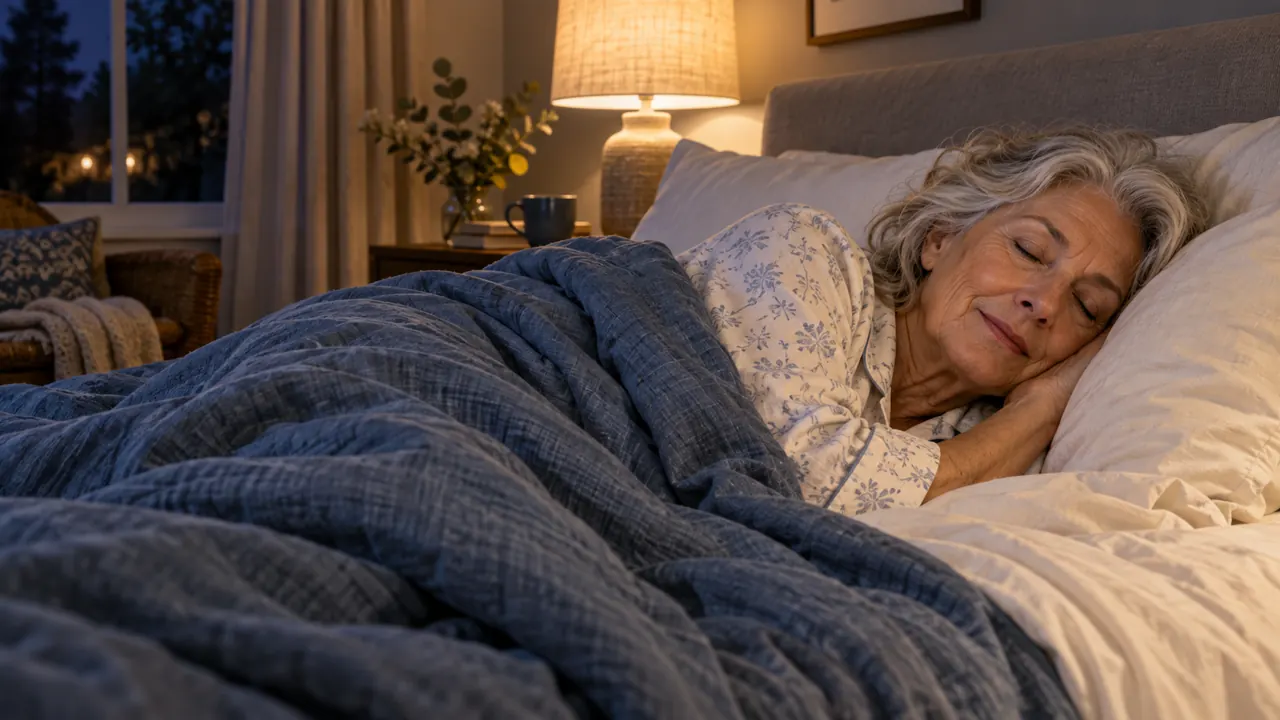
How much sleep older adults need
The National Sleep Foundation recommends 7 to 8 hours for people aged 65 and over. The need for sleep does not drop sharply with age. What often changes is how well people achieve it.
Ohayon and colleagues found that older adults spend less time in deep sleep and wake more often, even when healthy.
Common changes
- Earlier bedtime and earlier waking
- Lighter sleep with more awakenings
- More time awake after sleep starts
- More napping in the day
- Less deep sleep
Why sleep gets worse for some
Pain, night time bathroom trips, breathing problems, restless legs, low mood, reflux, memory conditions and many medicines can all disturb sleep. Less daylight and less activity weaken the body clock too.
A review of medicines with a doctor or pharmacist can sometimes help.
What helps
- Keep a regular wake time and bedtime.
- Get daylight and a walk every day.
- Limit naps to 20 to 30 minutes before mid afternoon.
- Keep caffeine to the morning and alcohol modest.
- Keep the bedroom cool, dark and quiet with a safe route to the bathroom.
- Talk to a doctor about snoring, pauses in breathing or leg symptoms.
Be cautious with sleeping tablets
Sleeping tablets raise the risk of falls, confusion and next day drowsiness in older adults. Non drug approaches such as CBT for insomnia are safer first choices. Speak to a doctor before starting or stopping anything. This page is general education and not medical advice. If you have ongoing sleep problems, loud snoring, breathing pauses or severe daytime sleepiness, speak to a doctor.
Planning with a calculator
Use the bedtime calculator to choose a bedtime from your wake time, and the nap calculator to keep naps short.
If you care for an older relative, a steady routine and morning light often help more than any gadget.
Daytime habits that protect night sleep
Daytime light, activity and social contact all strengthen the body clock. A morning walk gives light and movement together. Meals at set times help too. Stay active, but finish hard exercise a few hours before bed.
Avoid long naps after 3 PM, and keep alcohol modest. Alcohol may help you nod off but breaks up sleep later in the night.
For family and carers
If you help an older relative, look for patterns. Snoring, gasping, restless legs, nightly wandering, new confusion or sudden changes in sleep can signal a health problem. Bring these to the doctor. Make the bedroom safe with night lights and a clear path.
Respect their routine. A calm evening, regular meals and daylight often do more than a pill.
When to ask for a sleep test
Ask your doctor about a sleep test if you snore loudly, stop breathing in sleep, wake gasping, kick or jerk your legs, act out dreams or fall asleep in the day without meaning to. These can be signs of sleep apnoea, periodic limb movements or REM sleep behaviour disorder, which need proper assessment.
Treatment can improve both sleep and daytime life, so do not put it down to age.
Light, bedtime and the body clock
Older adults often get less light in the day, especially in winter or when housebound. That weakens the clock and brings earlier waking. A daily walk, time near a bright window and dim, warm lights in the evening all help.
If you wake very early and cannot go back to sleep, avoid checking the clock, keep lights low and try slow breathing. Speak to a doctor if early waking comes with low mood.
A realistic goal
The aim is not a perfect night. It is a steady routine, enough daylight, a safe and comfortable bedroom and prompt help for any symptom that worries you. Most older adults can improve their sleep with small, consistent changes.
Keep a short diary for two weeks. Patterns often show which habits help, and the notes make doctor visits far more useful.
Frequently Asked Questions
Do older adults need less sleep? ›
The advised range is 7 to 8 hours, only slightly less than younger adults.
Why do I wake at 4 AM? ›
Body clocks shift earlier with age, and light sleep makes waking easier. Persistent early waking with low mood needs medical advice.
Are naps OK? ›
Short naps are fine. Long late naps can harm night sleep.
Is poor sleep normal in old age? ›
Changes are common, but ongoing poor sleep should be checked.
Do sleeping pills help? ›
They carry risks in older adults, so ask a doctor first.
What is the best first step? ›
Keep a steady schedule and get daylight.
Written by F.A and last updated on 5 November 2026. Claims are checked against the peer reviewed papers and public health sources listed below, and findings from small or early studies are labelled as such. We follow our editorial policy and explain how times and results are calculated in our methodology. Calculators run in your browser and store nothing. Found an error? Tell us and we will correct it.
Sources
- Ohayon MM et al. Meta analysis of quantitative sleep parameters from childhood to old age in healthy individuals. Sleep 2004
- Hirshkowitz M et al. National Sleep Foundation's sleep time duration recommendations. Sleep Health 2015
- Watson NF et al. Recommended amount of sleep for a healthy adult. Sleep 2015
This page gives general information for adults and is not medical advice. If you have ongoing sleep problems, loud snoring, breathing pauses or heavy daytime sleepiness, speak to a doctor. Times and results are estimates.